Odor First: Train the Odor. Everything Else Follows.
A Highland Canine Detection Architecture
Odor First is a complete system for imprinting, training, handling and certifying detection dogs. It rests on one rule: every decision the dog makes must come from target odor and nothing else. Not the container. Not the handler. Not the reward.
It sounds simple. Most detection programs fall short of it, and most of them don’t know it.
Why Odor First
Most detection failures aren’t dog failures. They’re training failures. A dog that alerts on an empty box, misses a real load, or works the handler instead of the odor is doing exactly what it was taught. Somewhere in its training, something other than target odor paid off more reliably.
Dogs learn to find the packaging a training aid lives in. They learn to read a handler’s footwork, leash tension and pace. They learn that a fragment of an odor is the whole odor, then walk past a real-world quantity that smells different. None of this shows up when success is measured by finds alone.
Odor First closes those shortcuts one by one. It applies to every detection discipline we train, including narcotics, explosives, human remains and electronic media. It covers the whole team: how odor is presented, how the dog is imprinted, how the final response is shaped, how the handler moves, and how the team is tested and certified. Each part is built so the only reliable path to reward runs through target odor.
Playlist
9:37
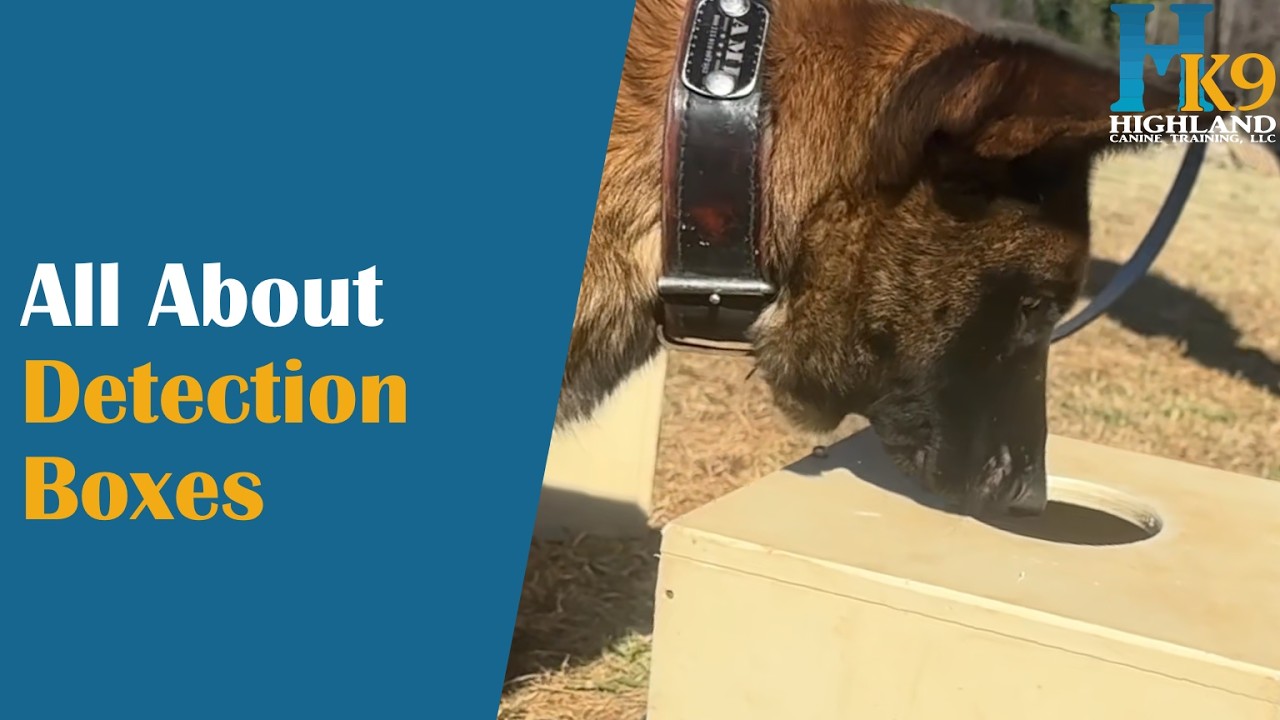
9:35
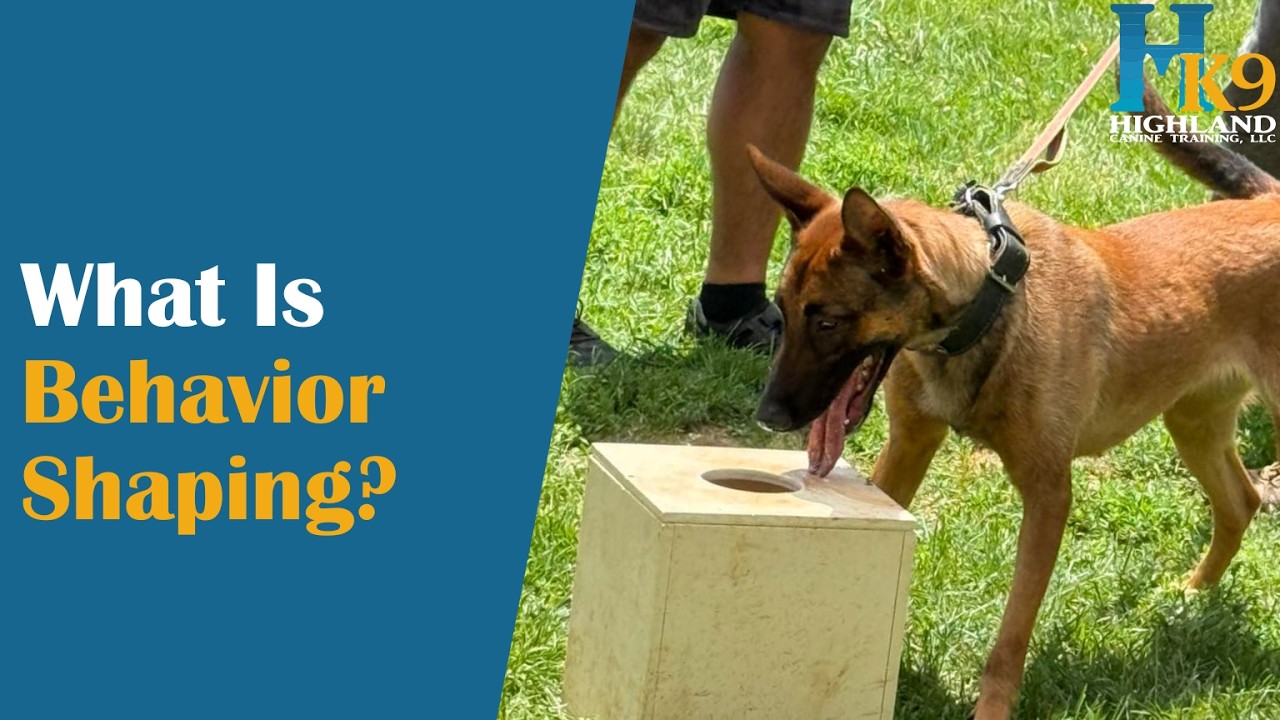
4:43
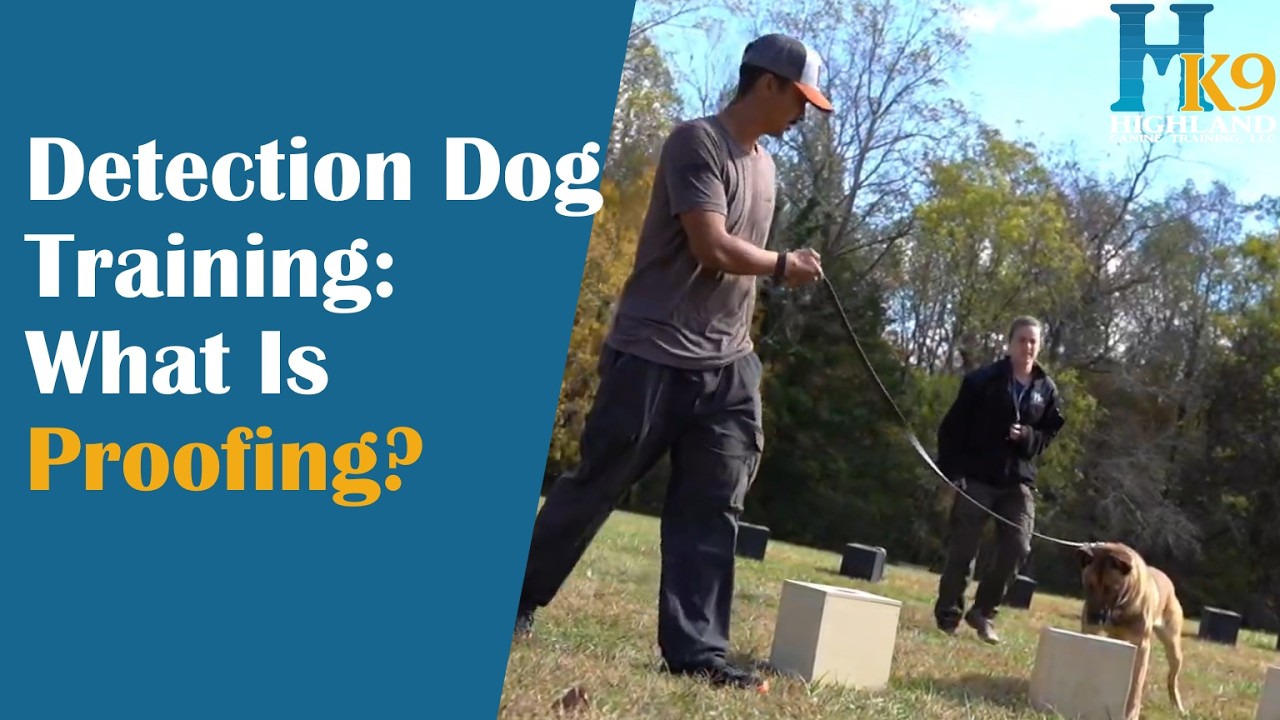
7:59
Built on Two Decades of Research
The detection community has run on tradition for a long time. Methods get passed down because “that’s how we’ve always done it,” not because anyone measured whether they work. Odor First started from a different question: what does the data actually show.
In 2010, a UC Davis study by Lisa Lit tested 18 certified narcotics and explosives teams in searches where no target odor had been placed at all. The teams still called 225 alerts, and 85% of searches ended with an incorrect alert. The study showed that handler beliefs can drive a dog’s responses. The community largely dismissed it as unfair, too small and run by researchers without handling experience.
So in 2015 we ran our own reliability study, designed to answer every one of those objections. Forty-five certified teams from local, state, federal and military agencies across multiple regions searched boxes containing real targets, commercial training aids, blanks and distractors. The results matched the warning from 2010. More than half of both the drug teams and the bomb teams called at least one false alert. Sixty-five percent of the drug teams missed an ounce and a half of cocaine. Nearly a third of the bomb teams alerted on new tennis balls.
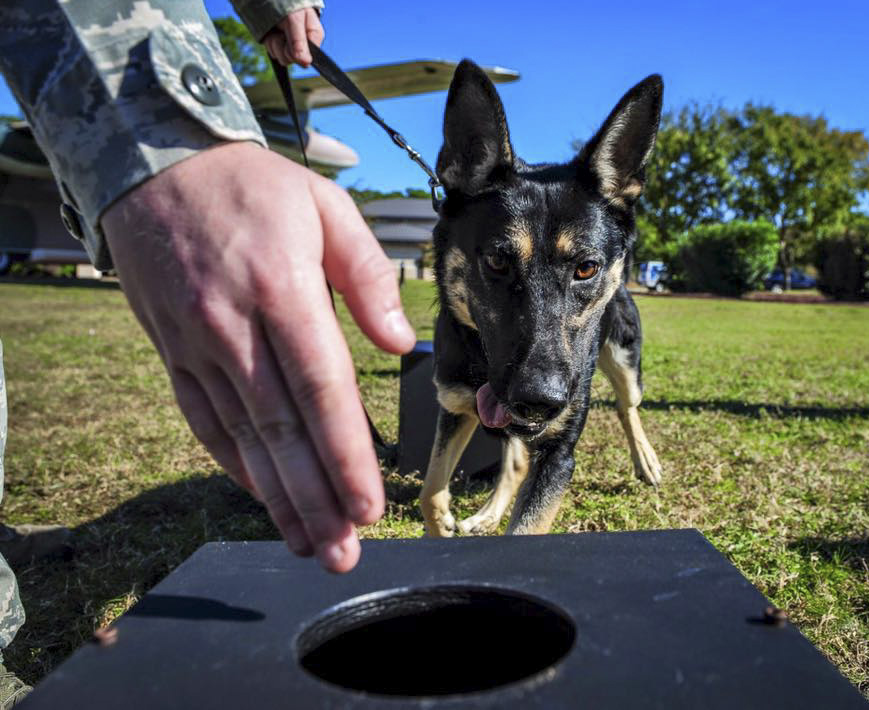
Those findings drove the research behind Odor First. Our imprinting studies measured how much odor contact a dog needs before it recognizes the full odor profile of a target, not just one component of it. Dogs reached that fluency at about 75 minutes of contact per odor, and that became our standard. The odor source matters as much as the time. When we compared teams, dogs trained on mixed “real” drugs recognized only about 39% of the target odor components, while dogs imprinted on validated, component-balanced aids recognized all of them. Our work on odor availability showed that surface area, not mass, governs how much odor reaches the dog, and it changed how we build every training problem.
Every part of Odor First earned its place through testing. When the data says a tradition is wrong, the tradition goes.
The Core Principles
- Odor, not material. Dogs are imprinted to fluency on the complete odor profile of each target. Training problems are built by controlling surface area, concealment and distance, so the dog is ready for the quantities and conditions it will meet on the street.
- Clean odor pictures. Training aids are chosen and checked for what they actually put into the air. Controls and distractors teach the dog to separate the target from its packaging and from everything around it.
- The invisible handler. The dog is about 95% of the team. The handler’s 5% is safety, observation, reward and documentation, not control. No pointing, no leash cues, no rigid search patterns that pull the dog off odor.
- A discernible final response. The dog commits at source with a distinct, trained freeze instead of a sit. It stays at the odor, works in tight and elevated spaces, and doesn’t look like everyday dog behavior to a jury.
- No aversives in detection. The final response is shaped, not forced. Unwanted behaviors are extinguished rather than suppressed with training collars, so they don’t come back on the street when the collar isn’t there.
- Blind and measured. Teams are tested in conditions where the handler doesn’t know where the target is. Misses and false alerts are counted alongside finds, because a program that only counts finds can’t see its own failures.
- Defensible by design. Every part of the system is built so a handler can explain it under oath: what the dog was trained on, what its final response means, and why the alert was reliable.
Why Teams Choose Odor First
For Handlers
Odor First means a dog you can actually trust. When your dog freezes at source, you know why, because you know exactly what it was trained on and what that response means. You spend less time managing the dog and more time reading it. When you take the stand, you can explain your dog’s training and your alert in plain language a jury understands.
For Trainers
Odor First replaces habit with a system you can teach, measure and defend. You’ll know how to imprint to fluency, how to build problems that get harder in controlled steps, how to proof out handler influence, and how to find the gaps in a dog’s odor recognition before the street finds them for you. You’ll stop fixing the same problems over and over, because you’ll be fixing their cause.
For Agencies
Odor First reduces risk. Detection dogs deploy far more often than patrol dogs apprehend, so every unreliable alert multiplies legal exposure. False alerts cost searches, credibility and sometimes lawsuits. Misses cost far more. A team trained, tested and documented under Odor First gives you alerts that hold up in court and a program that can show its numbers, not just its finds.
Bring Odor First to Your Team
There are three ways to put Odor First to work:
- Odor First detection dogs. Single- and dual-purpose dogs imprinted, trained and certified under the system, matched with handler training. Learn More about Odor First Dogs
- Odor First handler course. Online coursework followed by hands-on training on site, built to make handlers confident, effective and defensible. Learn More about Odor First Handler Training
- Odor First for trainers. For trainers and K9 supervisors who want to teach, run and evaluate detection programs the Odor First way. Learn More about Odor First Training Programs
Odor First was developed by Highland Canine Training. It belongs to every team that trains with it, and to every handler who wants to know that when the dog says it’s there, it’s there.