Drug Dogs
Unmatched drug detection dogs and handler training programs which achieve amazing results.
Drug Dog Training That Builds Reliable Dogs and Capable Handlers
Your agency needs a drug dog that stays committed to target odor in demanding environments—and a handler who understands what the dog is communicating. At Highland Canine Training, LLC, we prepare both sides of that partnership.
ODOR FIRST: A Foundation for Reliable Detection
Developed through nearly two decades of research and practical experience, our ODOR FIRST system emphasizes fluency in target drug odors. We build a strong foundation in odor recognition to prepare dogs to locate small and large quantities of narcotics, including well-concealed drugs in operational environments.
We also place substantial emphasis on proofing: teaching dogs to work through competing smells, sounds, movement, and physical distractions. Through deliberate exposure to these challenges, dogs learn to remain focused on target odor when their surroundings demand their attention.
What Our Clients Say...

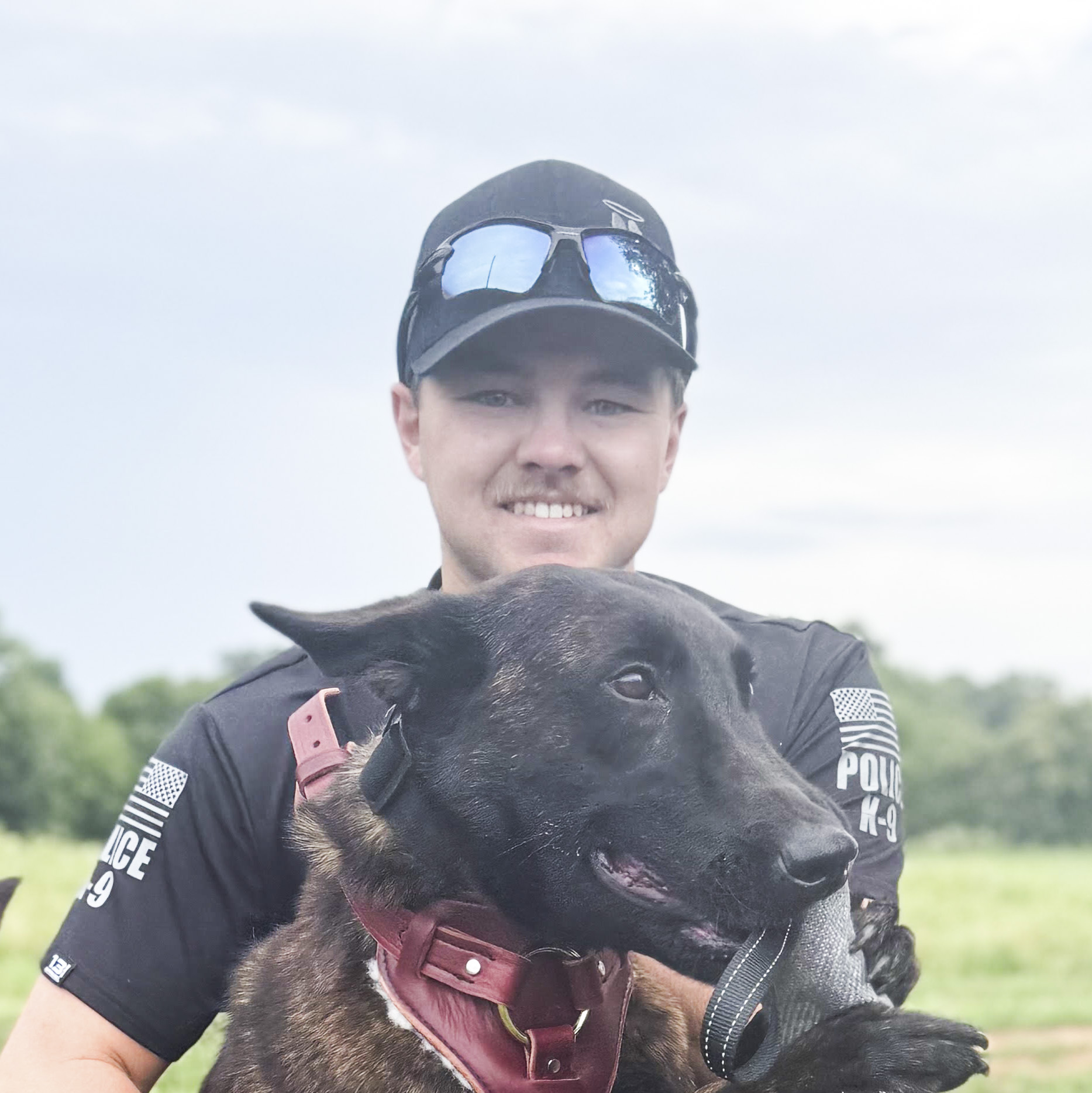
Single and Dual-Purpose Drug Dogs Trained for Your Agency
Your agency’s assignments, deployment environments, and detection needs should guide your choice of a drug dog. Highland Canine Training, LLC offers both single-purpose narcotics detection dogs and dual-purpose dogs, with training tailored to your operational requirements.
Single-Purpose or Dual-Purpose Drug Dogs
Our single-purpose drug dogs focus on narcotics detection and receive on-leash obedience training for control in operational environments.
Our dual-purpose drug dogs combine narcotics detection with patrol training. Standard patrol functions include tracking, building searches, area searches, suspect apprehension, and handler protection. These dogs receive off-leash obedience training to prepare them to respond to handler commands while working at a distance.
During handler school, handlers learn how to maintain their dog’s obedience and reinforce those skills amid operational distractions.
Target Drug Odors Selected for Your Mission
We can customize your dog’s target odors to match your agency’s detection needs. Available training includes:
Cocaine
Heroin
Methamphetamine
Fentanyl
Marijuana
MDMA
LSD
PCP
Our staff works with your agency to identify the appropriate target odors before training.
Deliberate Marijuana Proofing for Drug Dogs
When marijuana detection is outside your agency’s mission, leaving marijuana out of the dog’s initial odor training is only part of the preparation.
Our experience has shown that dogs need deliberate proofing to learn to disregard marijuana odor while searching for their assigned targets. We use a specific training plan that treats marijuana as a distraction, reinforcing the dog’s commitment to the narcotics it is trained to detect.
This process is part of preparing our non-marijuana detection dogs. We do not retrain dogs previously trained to detect marijuana to exclude that odor.
Request a bid or call us to discuss the detection capabilities, patrol functions, and handler training your agency needs.
Drug Dog Handler Courses for Your Agency’s Needs
Our single-purpose drug dog handler course includes three weeks of in-person instruction, and our dual-purpose drug dog courses are four weeks, preceded by required online training that handlers complete at their own pace before arrival. Customized courses lasting up to six weeks are available for agencies needing additional instruction.
New handlers develop foundational skills, while experienced handlers can receive customized instruction to strengthen their existing abilities and address specific challenges.
Request a bid or call us to discuss a drug dog and handler training program for your agency.
Handler Education That Goes Beyond the Search
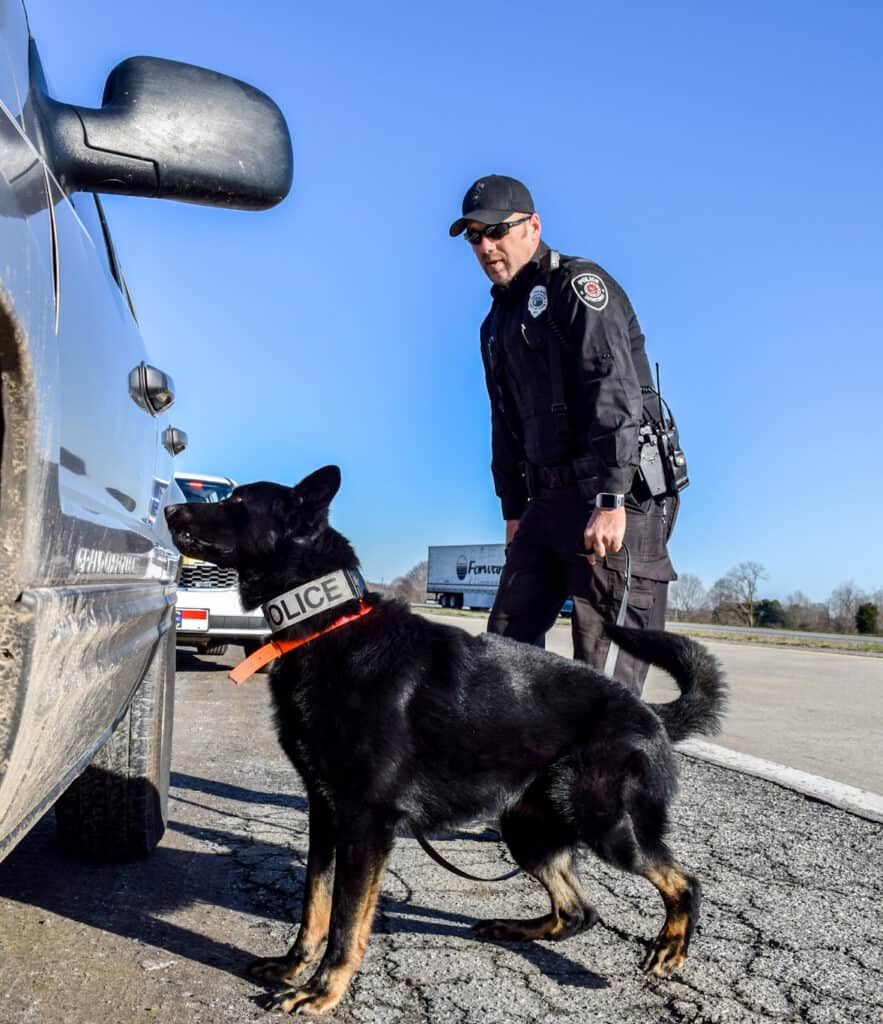
Reliable detection requires a handler who understands both the dog and the process used to train it. Our courses develop that understanding so handlers can read canine behavior, recognize unnecessary handler influence, solve training problems, and make informed decisions during deployments.
Instruction includes effective vehicle searches, criminal interdiction, report writing, liability considerations, and preparation for courtroom testimony. Experienced former law enforcement K9 handlers and supervisors connect these subjects to the practical demands of the job.
Our graduates’ experiences demonstrate the value of this preparation. Handlers have reported substantial narcotics seizures, including finds within hours of returning to duty. Hear directly from those handlers in the testimonials throughout our site.
Contact us today for more information about our drug dogs.
Our experienced team at Highland Canine Training can help you explore dog and training options for your intended work. Contact us to discuss available drug dogs, handler courses, and your deployment needs.
Call 800-406-3243
Frequently Asked Questions About Drug Dogs and Handler Training
Our single-purpose drug dog package costs $13,800, and our dual-purpose drug dog package costs $16,800.
Both packages include the dog, required online preparation, handler school, Highland Canine Training certification, and lodging during handler school. Agencies should budget separately for travel, meals, and equipment for the dog and handler.
A single-purpose drug dog is trained for narcotics detection and on-leash obedience.
A dual-purpose drug dog combines narcotics detection with patrol functions, including tracking, building searches, area searches, suspect apprehension, and handler protection. Dual-purpose dogs receive off-leash obedience training for control while working at a distance.
Both programs prepare dogs to perform obedience in operational environments and teach handlers how to maintain those skills.
We offer training for cocaine, heroin, methamphetamine, fentanyl, marijuana, MDMA, LSD, and PCP. Your agency can select target odors based on its operational needs.
Our staff will discuss your requirements and help you determine the appropriate training for your dog.
Yes. We train drug dogs specifically for agencies that do not need marijuana detection.
Our preparation goes beyond leaving marijuana out of initial odor training. We deliberately teach these dogs to disregard marijuana odor as a distraction while searching for their assigned narcotics.
In our experience, simply never training a dog to detect marijuana does not adequately prepare it to disregard that odor during searches.
Our non-marijuana detection dogs follow a deliberate proofing plan. This process reinforces their response to assigned target odors while teaching them that marijuana odor is not a target.
We do not offer retraining to remove marijuana as a target odor from dogs previously trained to detect it. Our marijuana-exclusion process is used when developing dogs whose assigned target odors do not include marijuana.
Developed through nearly two decades of research, analytics, and practical experience, ODOR FIRST emphasizes fluency in target odor and extensive proofing.
We focus on teaching dogs to recognize their assigned drug odors across varied search conditions and remain committed to those odors amid distractions. Handler education complements that preparation by explaining how the dog was trained and how to maintain its skills.
Our proofing process exposes dogs to competing smells, sights, sounds, and physical distractions while reinforcing their focus on target odor.
We incorporate these challenges into realistic training environments to prepare dogs for the demands they may encounter during operational searches.
Training includes vehicles, buildings, luggage, packages, and varied settings that prepare dogs for operational work.
We can also prepare a dog for specific locations, venues, or agency assignments upon request. Discuss those requirements with our staff when planning your purchase.
We recommend a freeze and lock indication. The dog stops moving, adopts a rigid posture, and fixes its gaze on the location of target odor. Additional behavioral or postural changes may accompany that response.
We shape this indication without aversives or pressure. Our approach emphasizes a clear, recognizable response while reducing unnecessary handler influence and the potential for false-positive responses. Its distinct appearance also helps handlers describe the dog’s response in reports and courtroom testimony.
Other trained indications are available upon request.
We vary drug odor quantities, concealment methods, odor availability, and search difficulty throughout training.
Rather than relying on repetition of the same searches, we develop the dog’s ability across changing conditions. Clearly defined benchmarks within our training process guide our evaluation of readiness.
Yes. We do not sell trained dogs without handler school. Your agency must send a handler through our program as part of the purchase.
Understanding the dog’s behavior, training history, and handling requirements helps the team work effectively together and maintain its capabilities after returning to duty.
Our standard single-purpose handler course includes three weeks of in-person instruction. Dual-purpose handler school lasts four weeks.
Handlers must also complete required online preparation before arriving. This coursework is provided by us and can be completed at the handler’s own pace from anywhere.
Customized courses lasting up to six weeks are available for agencies requiring additional instruction.
Courses cover search techniques, odor theory, reading canine behavior, problem solving, training design, and reducing unnecessary handler influence.
Instruction also includes criminal interdiction, report writing, liability considerations, and courtroom preparation. Experienced former law enforcement K9 handlers and supervisors connect the instruction to practical operational demands.
Yes. We can tailor instruction to help experienced handlers strengthen existing skills, address training challenges, and prepare for specific assignments.
Timing depends on available dogs, your selection requirements, requested training, and handler school scheduling.
Our dogs generally receive 16–20 weeks of training, but this is not necessarily your agency’s wait time. We continually train dogs at different stages of development, so a suitable dog may already be progressing through its program when you contact us.
Handler schools are typically scheduled four to five times per year. Contact our staff for current availability and an estimated timeline.
Yes. We encourage agencies to visit, evaluate dogs, observe demonstrations, and discuss their needs with our trainers.
You may also request client references to hear directly from agencies that have purchased our dogs and completed our handler programs.
Our dogs come with a two-year health guarantee against congenital health defects, backed by replacement of the dog at no cost under the guarantee.
We also provide free in-service and brush-up training for the lifetime of the dog. Agencies are responsible for travel and lodging when attending follow-up training.
To request a bid, provide your agency’s desired capabilities and target odors, along with the requestor’s name, agency address, email address, and phone number.
A 50% deposit is required to reserve a particular dog.
Have a Question that Wasn't Answered Here?
What Are The Benefits Of Drug Dogs?
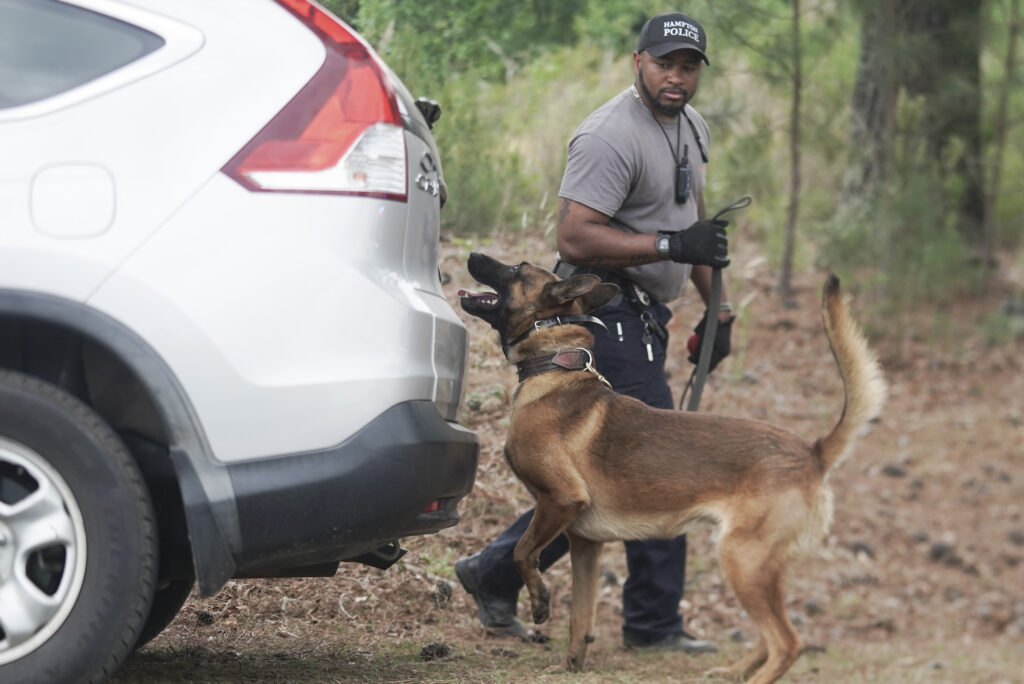
Removes harmful substances from communities
Drug use and drug abuse has several negative impacts for communities, which can make the job even harder for law enforcement personnel. Drug abuse can cause families to break up, increase rates of homelessness and poverty, put further strain on healthcare resources, and lead to other criminal activity.
Keeping these harmful substances out of communities can help to alleviate these problems. Reducing dependency on illegal substances improves the quality of life for individuals and their families. It means that mental disorders associated with long-term drug use are less common. It increases productivity and focus at work. More broadly, it actually benefits the whole of society – with fewer illegal drugs in our communities, the financial burden absorbed by healthcare providers and taxpayers is significantly lowered, thus improving the quality of life for everyone.
Valuable tool for drug/criminal interdiction enforcement
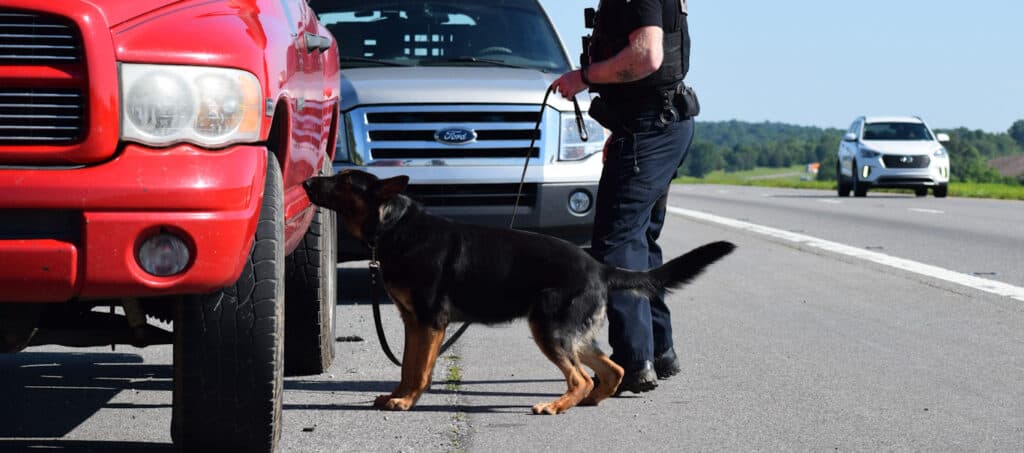
Organized criminal gangs are becoming more sophisticated in pushing illegal substances into our communities. Stopping these criminals before they have the opportunity to unleash havoc is a key priority in the fight against illegal drugs.
A drug dog is a vital asset in these efforts. These amazing detection dogs are trained to identify substances, even when resourceful criminals think they may be able to hide them in unusual places. With such a reliable tool available to law enforcement, the ability to stop drug trafficking is increased significantly.
Keeps harmful substances out of schools
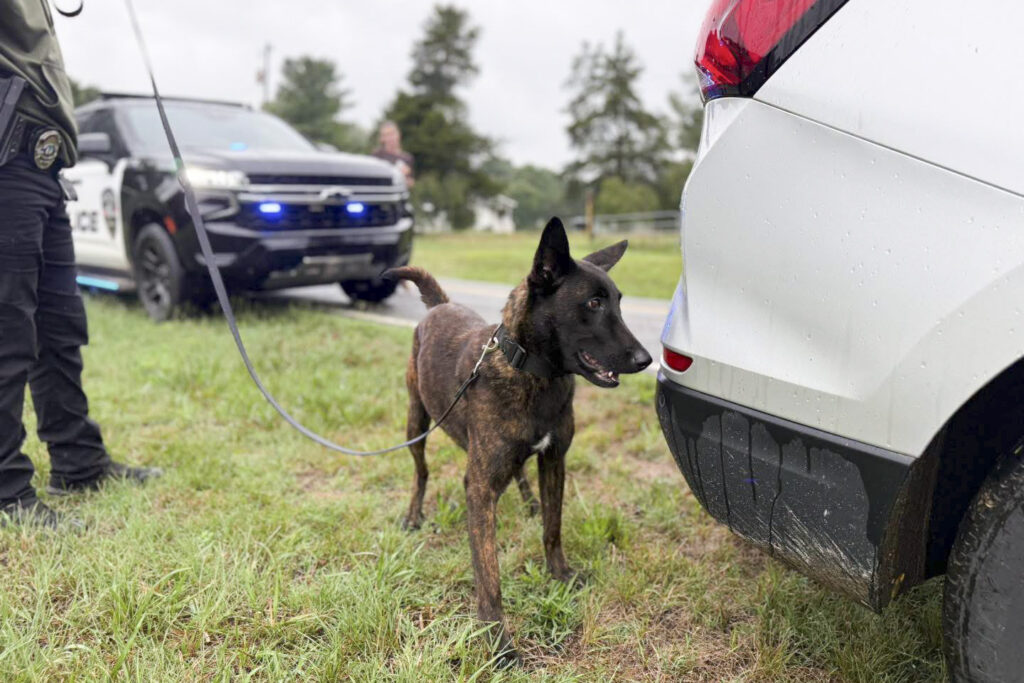
When a family is affected by drug misuse, it is children – at key developmental points in their lives – who are often impacted most severely. In households where at least one parent is addicted to drugs, children experience high levels of criticism, negativity, inconsistency, insecurity, and sometimes even neglect. It also means that a child of a drug-addicted person is more likely to abuse drugs when they become an adult.
Keeping harmful substances out of educational establishments is important for the education and wellbeing of all of our children. Random or scheduled searches by drug dogs are a reliable method for identifying these substances, and also act as an effective deterrent against future drug activity.
Using social dogs as a positive, community-friendly tool
There are numerous ways that a drug dog can be used as a force for good in society, but sometimes, even just their sheer presence can be beneficial. They can be used as a bridge to help forge strong relationships between law enforcement and the local community. This helps local residents to understand the work carried out by police dogs.
A well-mannered and social police dog can be used alongside serving law enforcement personnel at community events, educational establishments or public talks to explain their capabilities and the benefits they bring to the community.
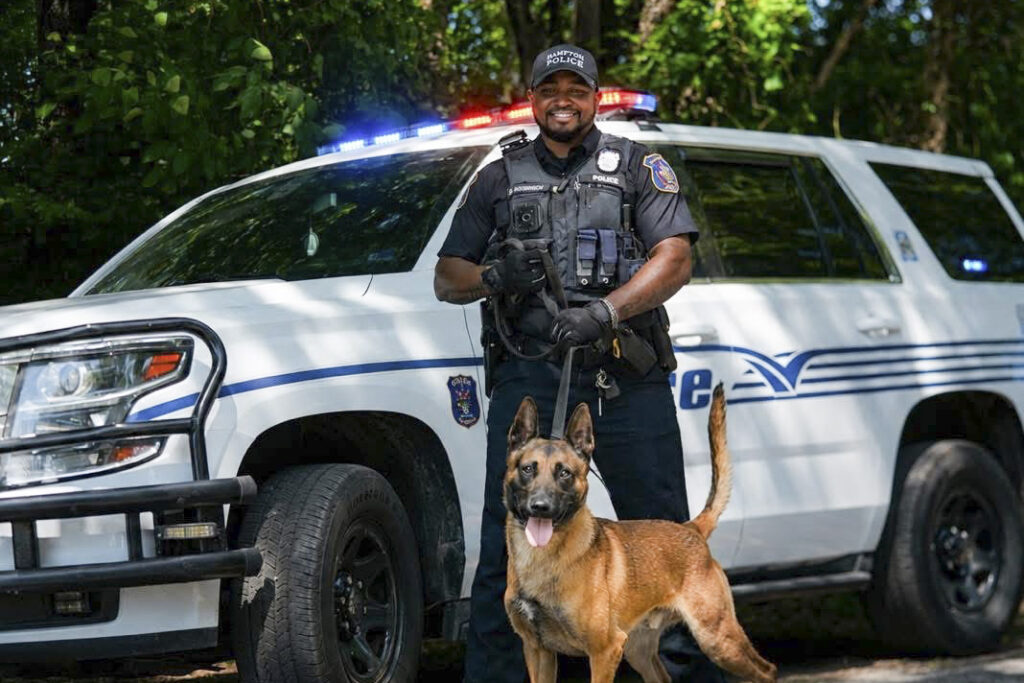
Drug Dog Statistics
The steep increase in the use and circulation of illegal drugs has led to devastating effects in our society. An individual’s dependence on these harmful substances can not only destroy their own life – it also has a severe impact on their family, friends and the community as a whole.
Law enforcement agencies have a critical role to play when it comes to removing drugs from our streets. To ensure their efforts are successful, they need to use every tool in the box to locate and remove illegal narcotics from our streets. For drug detection, there are few assets more effective than a highly-skilled drug detection dog.
These statistics demonstrate the scale of the problem facing our society when it comes to drug misuse.
700,000 people have died of drug overdoses in the United States since the year 2000.
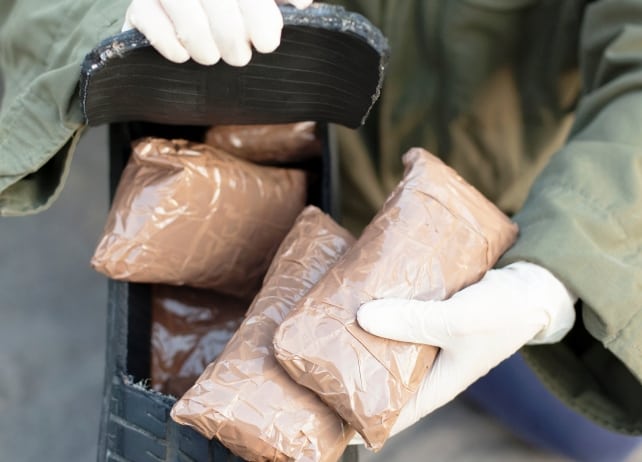
The annual deaths have increased significantly in recent years, with over 70,000 people dying from a drug overdose in 2019 alone.
8.5 million American adults suffer from both a mental health disorder and a substance use disorder.
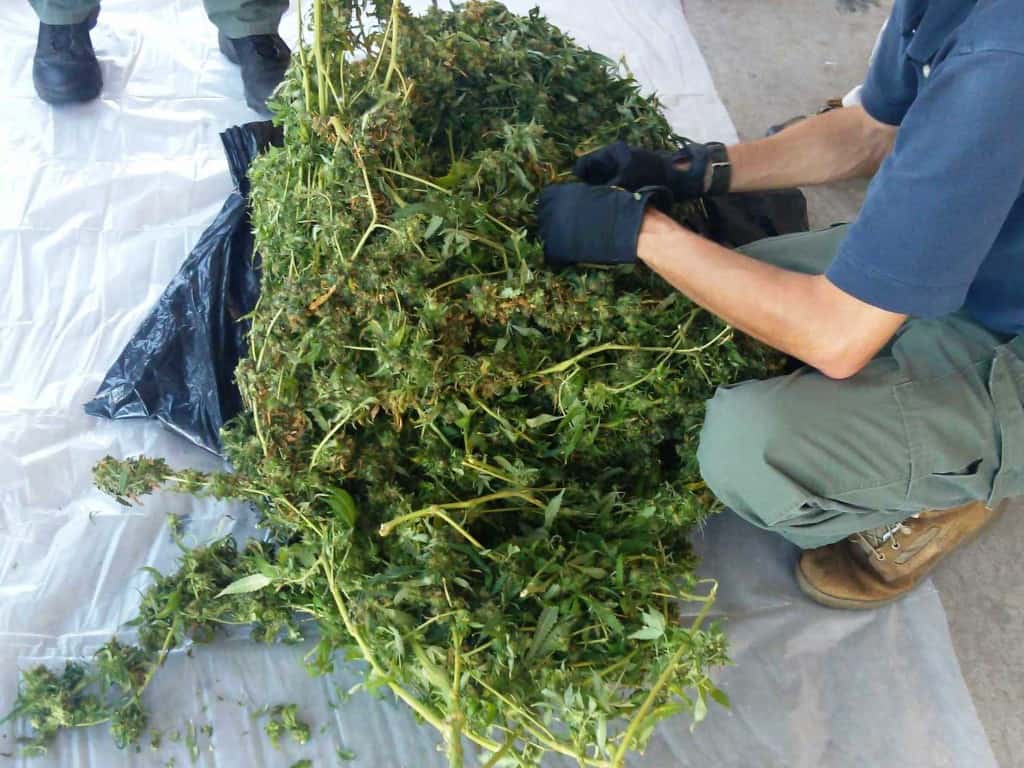
Almost 3% of the US population over the age of 12 have at least one illicit drug disorder.
Source: Substance Abuse and Mental Health Services Administration
Almost half of high school students have used marijuana at some point.
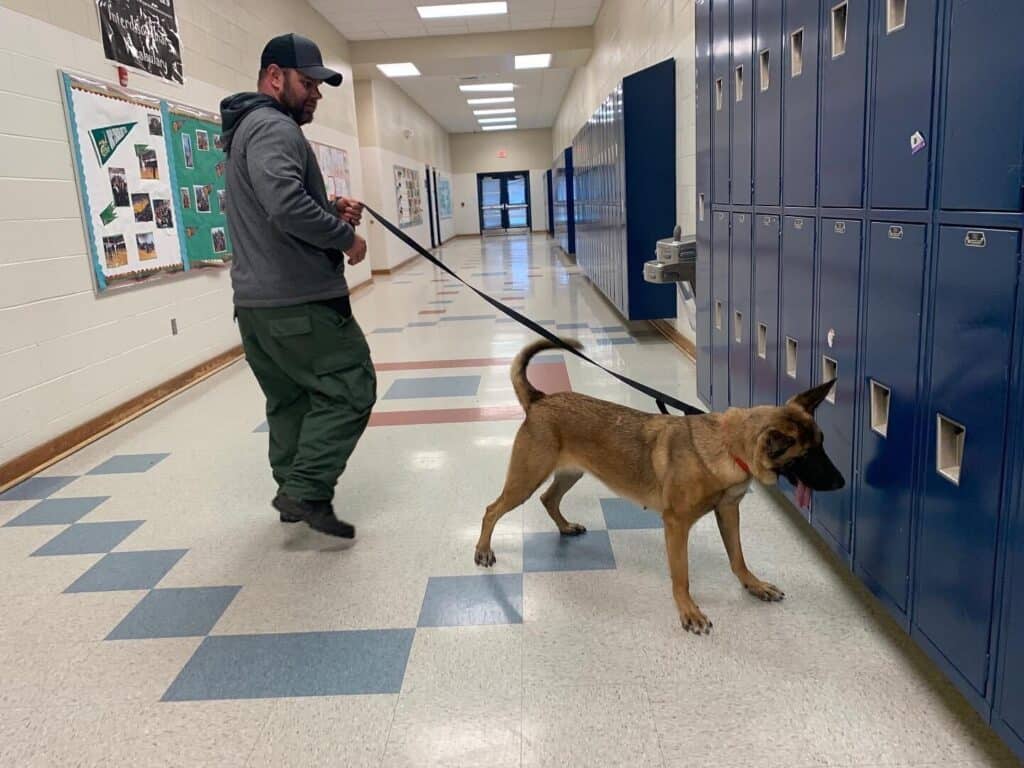
35% of 12th graders reporting they had smoked marijuana in the past year.
Source: National Institute on Drug Abuse
$200 billion is the estimated economic cost of drug abuse in the United States.
This includes $120 billion in lost productivity in the workforce, $11 billion in healthcare costs, and $61 billion in criminal justice costs.
Source: Office of National Drug Control Policy